Essential Bike Maintenance for Safe Coastal Cycling
Keep your bike running smoothly on Baltic seaside routes with these practical maintenance tips every senior cyclist should know.
Why Maintenance Matters
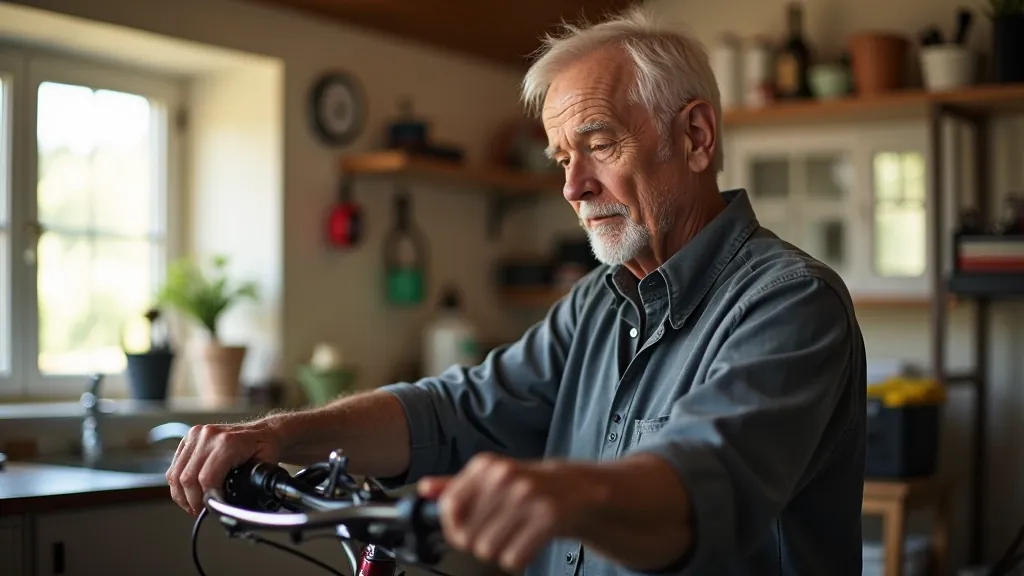
You don't need to be a mechanic to keep your bike safe. Regular checks catch small problems before they become big ones. A well-maintained bike is more enjoyable to ride, lasts longer, and keeps you safe on those beautiful coastal routes from Riga to Jūrmala.
The good news? Most maintenance tasks take just 15-30 minutes and require tools you probably already have at home. We've broken down the essentials into manageable steps.
The Pre-Ride Check (5 Minutes)
Before you head out, do a quick safety check. It's the difference between a smooth ride and getting stuck halfway to Jūrmala.
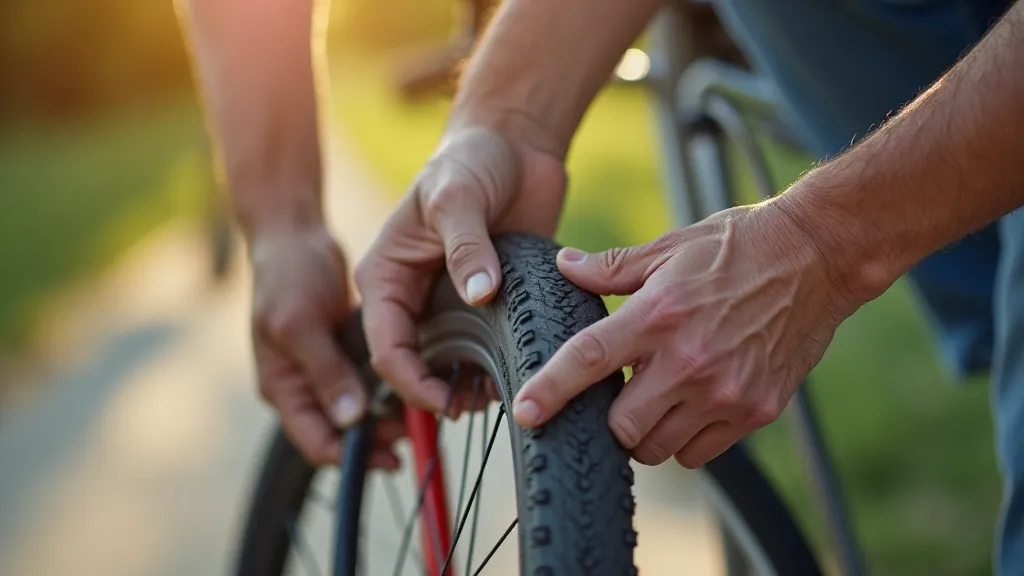
Tires: Your First Line of Defense
Tires are the only thing between you and the road. Coastal routes can have gravel and sand that damage tires, so checking them regularly isn't optional—it's essential.
Checking Pressure
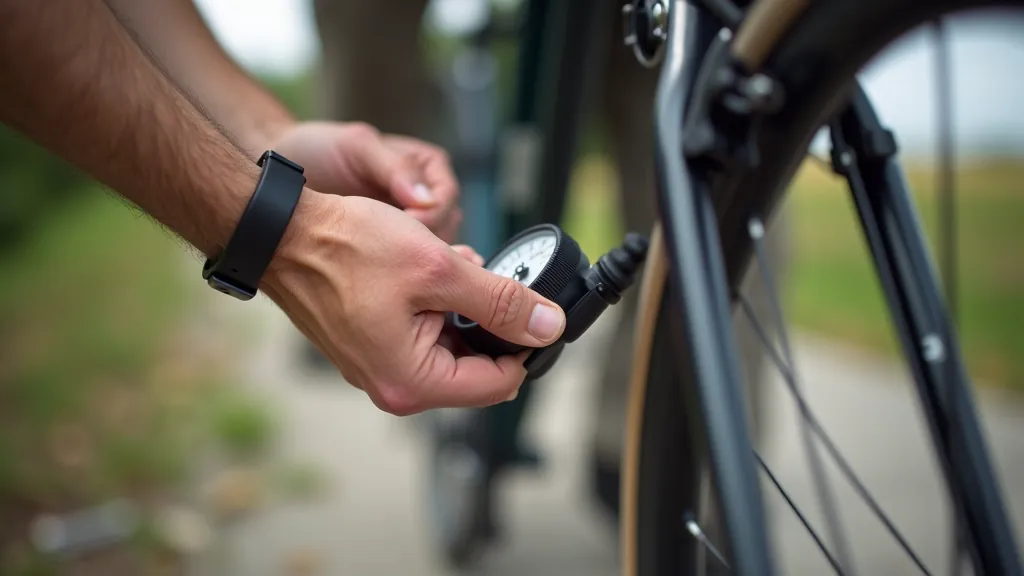
Most bike tires have a recommended pressure printed on the sidewall (usually 50-80 PSI for road bikes, 35-50 PSI for hybrid bikes). You'll need a pressure gauge. They're cheap—under €10—and worth having in your home.
Spotting Damage
Run your fingers around the tire slowly. Feel for cuts, punctures, or embedded glass. If you find something, remove it carefully. Small cuts aren't dangerous yet, but they'll get worse.
When to Replace
If the tread is worn smooth (you can't see the pattern anymore) or you've had multiple punctures, it's time for new tires. Don't wait until you get a flat on a coastal route 15km from home.
Educational Information
This article is for educational purposes. If you're unsure about any maintenance task, consult your bike's manual or visit a local bike shop. A professional mechanic can assess your specific bike and suggest what needs attention.
Brakes: Non-Negotiable Safety
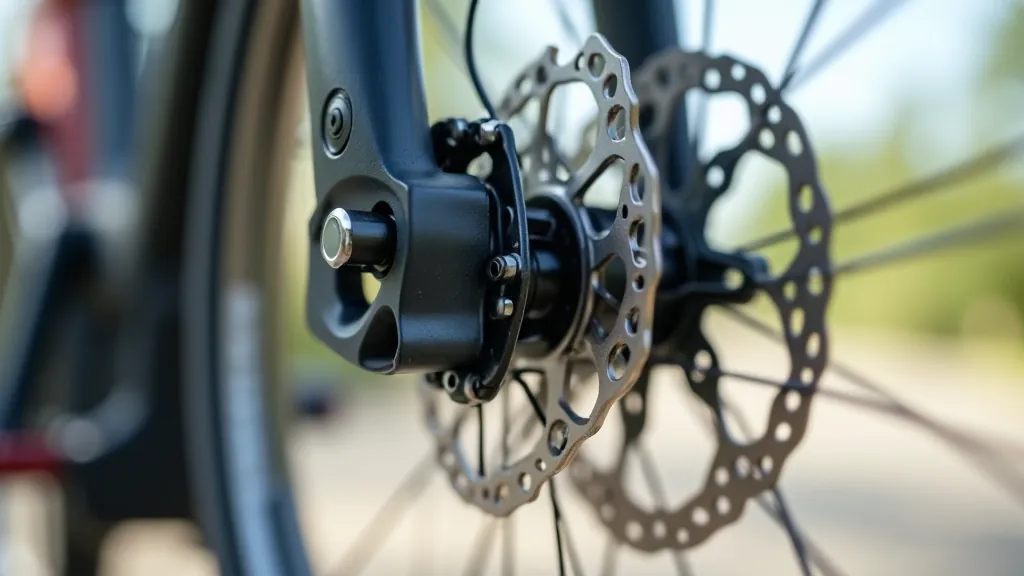
Brakes are literally what stop your bike. On coastal routes with hills and sudden stops, working brakes aren't a luxury—they're critical. You'll feel the difference between sharp brakes and worn ones.
Pull each brake lever slowly. It should feel firm, not spongy. The brake should engage within about an inch of pulling the lever.
Look at your brake pads. If they're less than 3mm thick (about the thickness of a coin), they need replacing soon.
If you have rim brakes, check that the wheel rims are clean and free from grease. Salt spray from coastal routes can corrode rims, so clean them monthly.
Chain Care: The Heart of Your Drivetrain
Your chain transfers power from your legs to the wheels. A clean, lubricated chain makes pedaling easier and lasts much longer. It's also one of the easiest maintenance tasks you can do.
Cleaning
Once a month, use a chain cleaner tool (€15-25) or simply wipe your chain with an old cloth and a bit of degreaser. Pay special attention after riding on sandy coastal routes.
Lubrication
Apply chain lube sparingly—just one drop per link while rotating the pedals. Wipe off excess with a cloth. Too much lube attracts dirt and grit.
Checking for Wear
A stretched chain causes shifting problems and damages your gears. Bike shops can measure chain wear in seconds. If it's stretched beyond 0.5%, replacement is due.
Seasonal Deep Maintenance
Beyond the quick checks, your bike needs deeper attention a few times a year. Coastal air with salt spray accelerates corrosion, so Baltic cyclists should be especially diligent.
Spring (March-April)
After winter storage, inspect everything. Check for rust on the frame and components. Replace any corroded bolts. Test all gears through the full range. Wheels might need truing if they got bumped during storage.
Summer (June-August)
During peak riding season, clean your bike weekly after coastal rides. Salt air is harsh. Check bearings (wheels and bottom bracket) monthly—they should spin smoothly without grinding sounds.
Fall (September-October)
Prepare for winter storage. Clean thoroughly and dry completely. Apply a protective coating to the frame. Check tire condition before winter—worn tires are dangerous in rain.
Winter (November-February)
If you're still riding, inspect brakes weekly. Salt on winter roads corrodes components quickly. Consider using your oldest bike during winter to save your good bike from corrosion.
Essential Tools You'll Need
You don't need a full workshop. Start with these basics, and you'll handle most maintenance yourself.
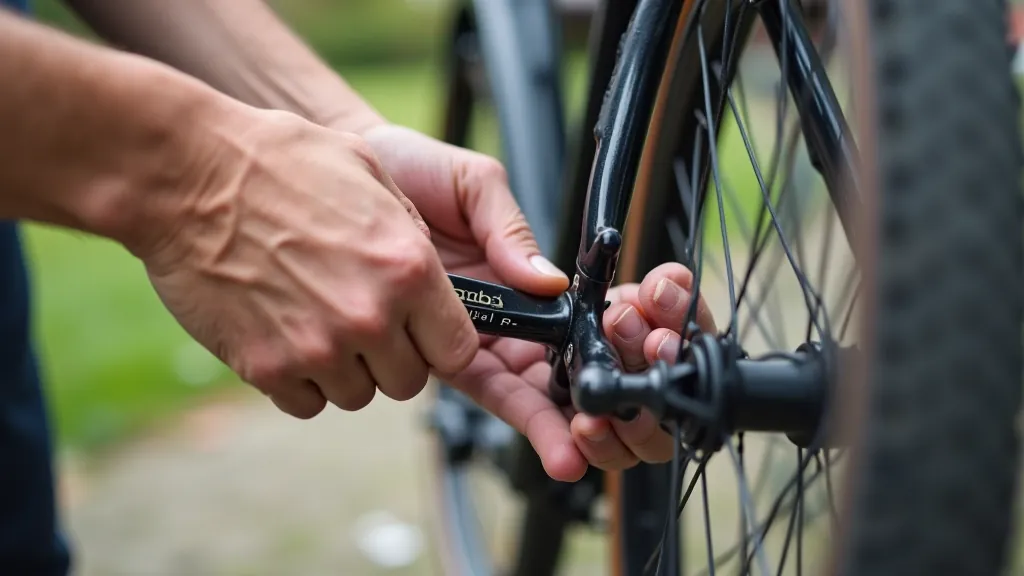
For adjusting bolts on your bike. A compact multi-tool fits in a pocket and costs €10-15.
A hand pump with an integrated pressure gauge. €15-25. Keep it at home and consider a portable one for rides.
Two separate products. Wet lube for coastal routes, dry lube for cleaner conditions. €8-12 for each.
An old toothbrush and a dedicated chain brush work great. You probably have these already.
For removing tires when fixing flats. Plastic ones are fine. €3-5 for a set of two.

Get Out and Ride Confidently
Maintenance doesn't have to be intimidating. Start with the pre-ride check, learn one new task each month, and soon you'll feel completely confident with your bike. Regular maintenance means fewer breakdowns, longer equipment life, and more enjoyable rides on those gorgeous Baltic routes.
And remember—if you're ever unsure about anything, there's no shame in asking a mechanic. They'd rather help you maintain your bike than fix a disaster that could've been prevented.